ASKA – AUTOMATIC IDENTIFICATION SYSTEMS
RFID / RFID proximity cards
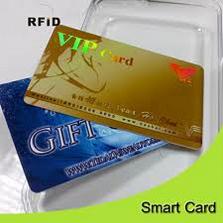
Contactless identification cards carry printed information and data stored in an integrated chip. Their basic feature is a unique serial number used to identify the cardholder. Depending on the chip, an ID card may also support exchanging and updating data. Radio waves are used to read and write data, allowing contactless communication over a distance determined by reader power and and the RFID frequency band..
Technological development has produced identifiers operating in the LF band – 125 kHz, HF – 13.56 MHz, and UHF 860–960 MHz.

The most common standards:
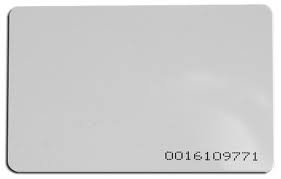
- Unique – a long-established LF card system with a unique identifier, commonly used for access control and time recording. A particular type of tag RFID LF is Hitag, an advanced LF solution that allows stored data to be encoded. Writable memory supports applications including fee-based access control and goods identification.
-
- Mifare – an HF system with writable memory and encrypted communication. Its enhanced data protection supports access control, loyalty, banking and ticketing applications.
-
- I-Code – designed for the HF band, with effective operation in demanding applications requiring reading range and controlled, protected memory access. These cards are used in industry, healthcare, sports facilities and libraries.
-
- EPC Class 1 Gen 2 – a newer technology for the UHF band. The spread of this RFID frequency in warehousing and logistics has encouraged its use for identifying associated personnel. Available designs include standalone UHF cards and hybrid UHF+LF or UHF+HF cards.
-
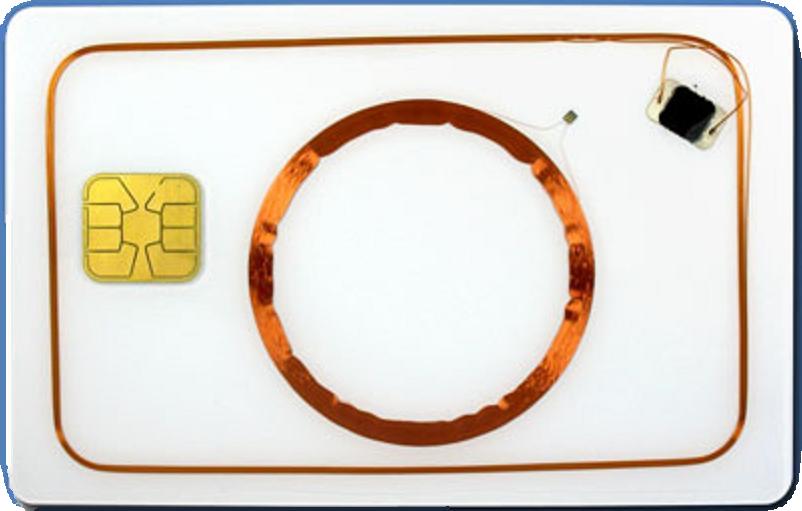
- Hybrid cards combine standards so that a single card can be used in applications operating in different radio frequency bands:
- LF + HF
- LF + UHF
- HF + UHF
- Additional benefits of RFID cardscome from printed information, decorative graphics and personalisation with names and numbers. Modern printing and engraving methods provide durable marking, while holographic stickers and encoded communication with the chip help protect authenticity.
- Cards can also combine recording and identification methods by adding contact chips, a magnetic stripe or or a barcode..
-
 Proximity cards