 ASKA – AUTOMATIC IDENTIFICATION SYSTEMS
Biometrics
|
ACCESS CONTROL |
DATA COLLECTORS
|
BIOMETRIC READERS
|
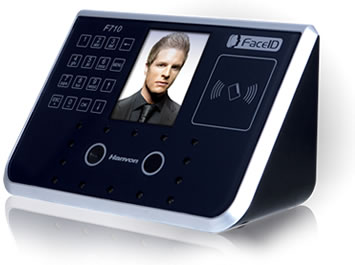
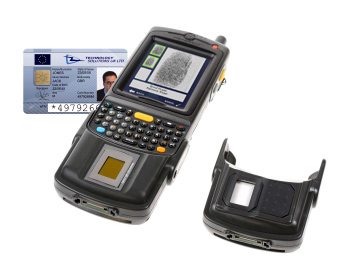
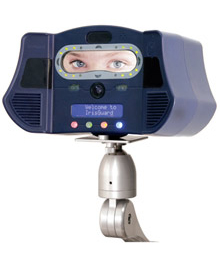
The study of the evolutionof living organisms and the differences between them has found applications in automatic identification. Technology developers and businesses embraced the new opportunities and the almost unlimited potential user base. Practical applications began to use:
- fingerprints,
- the shape of the hand and its blood vessel pattern,
- facial and iris images,
- characteristics of the human voice,
- behavioural characteristics such as typing style and speech patterns, or the brain’s bioelectrical response to a specific stimulus.
Following an intense period of development of devices that read these characteristics, the focus shifted towards refining existing solutions. The aim is to overcome practical obstacles, including human ingenuity in imitating features intended to be both unique and universal.
Another factor limiting the development of biometric technologies is the concern, also raised in connection with RFID, about widespread surveillance and access to personal data. Recognising biometric characteristics involves storing their representations in databases, with the associated risk of disclosure or theft.
As a result, the market has split into products for everyday access management, where the highest level of security is not always required, and sophisticated, expensive solutions supplied as individually tailored systems. The latter rely heavily on advanced software, as improving hardware takes longer than developing complex encrypted software.
